Bertschi Hosts Women in Logistics Event Focused on Practical Action
At a rail workshop overseas, one participant was told that her clean safety vest made her look out of place. The women’s restroom was being used for storage.
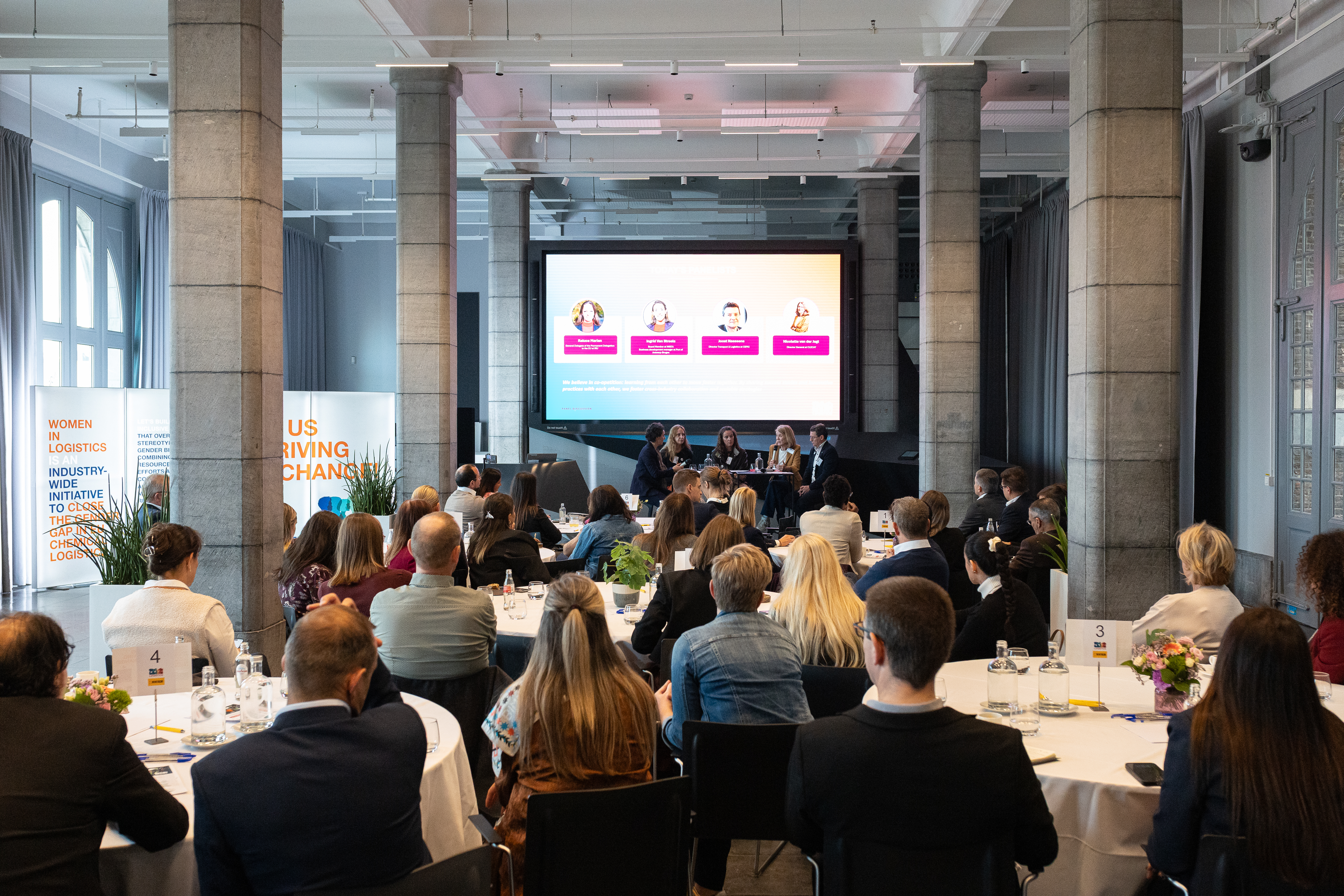
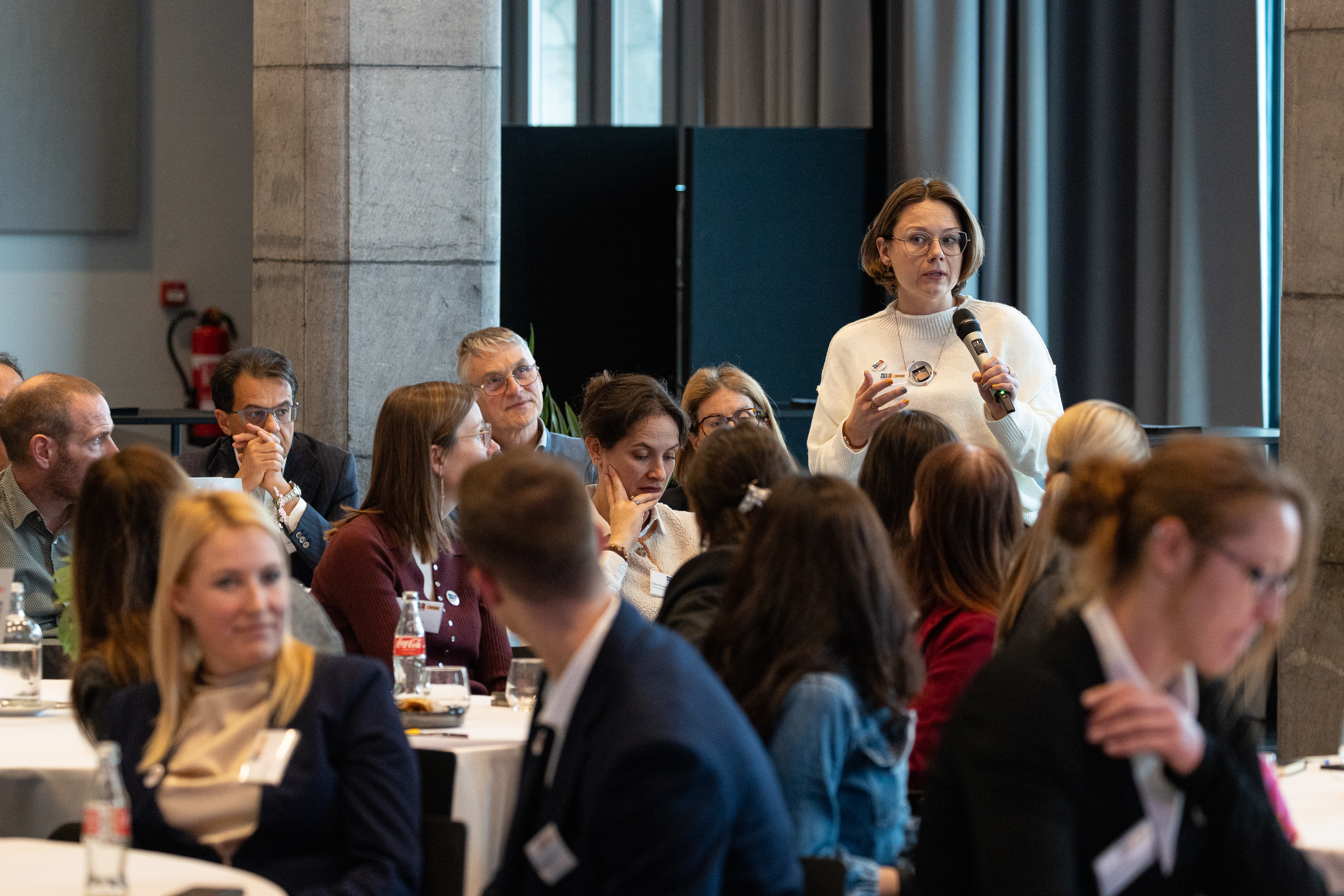
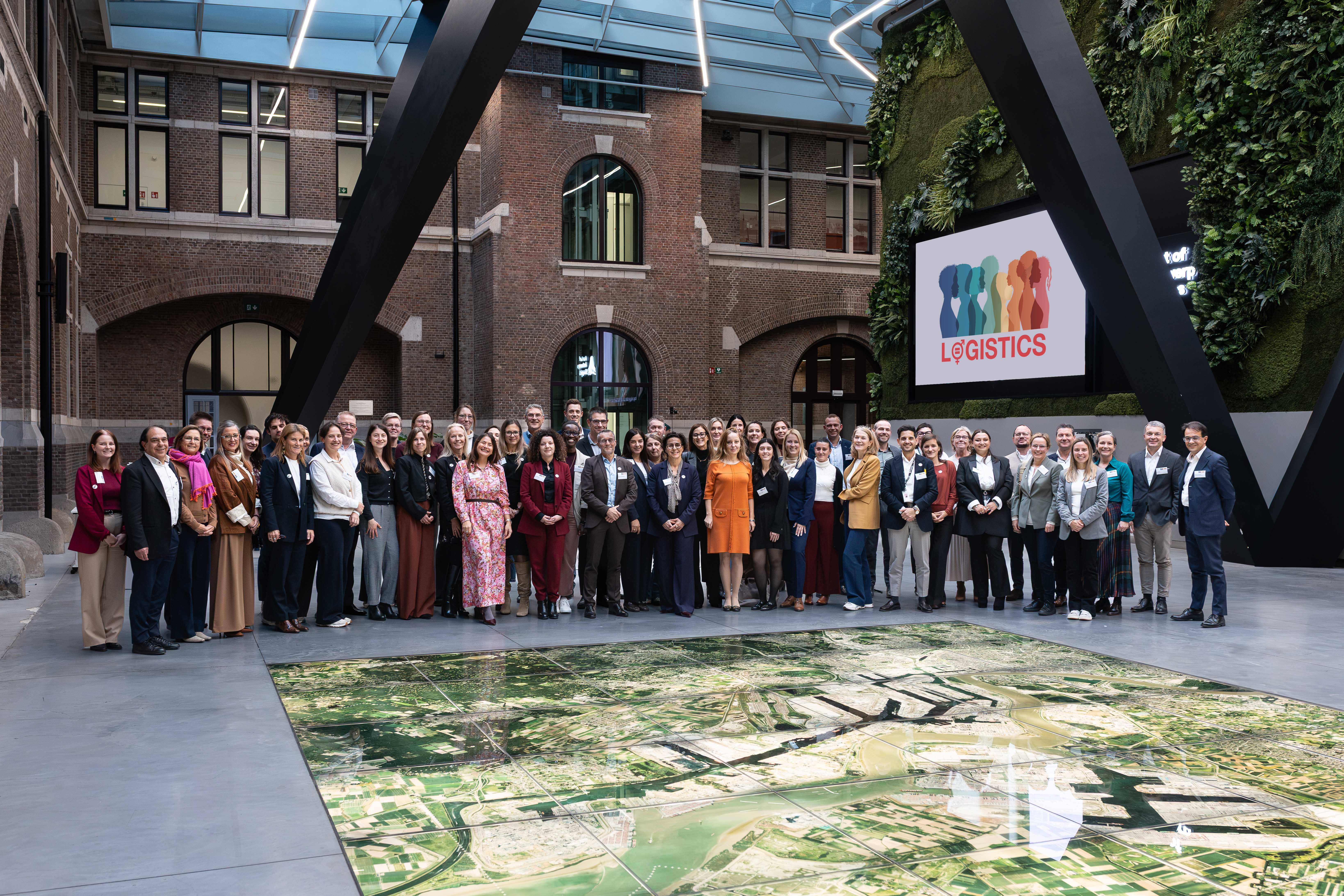
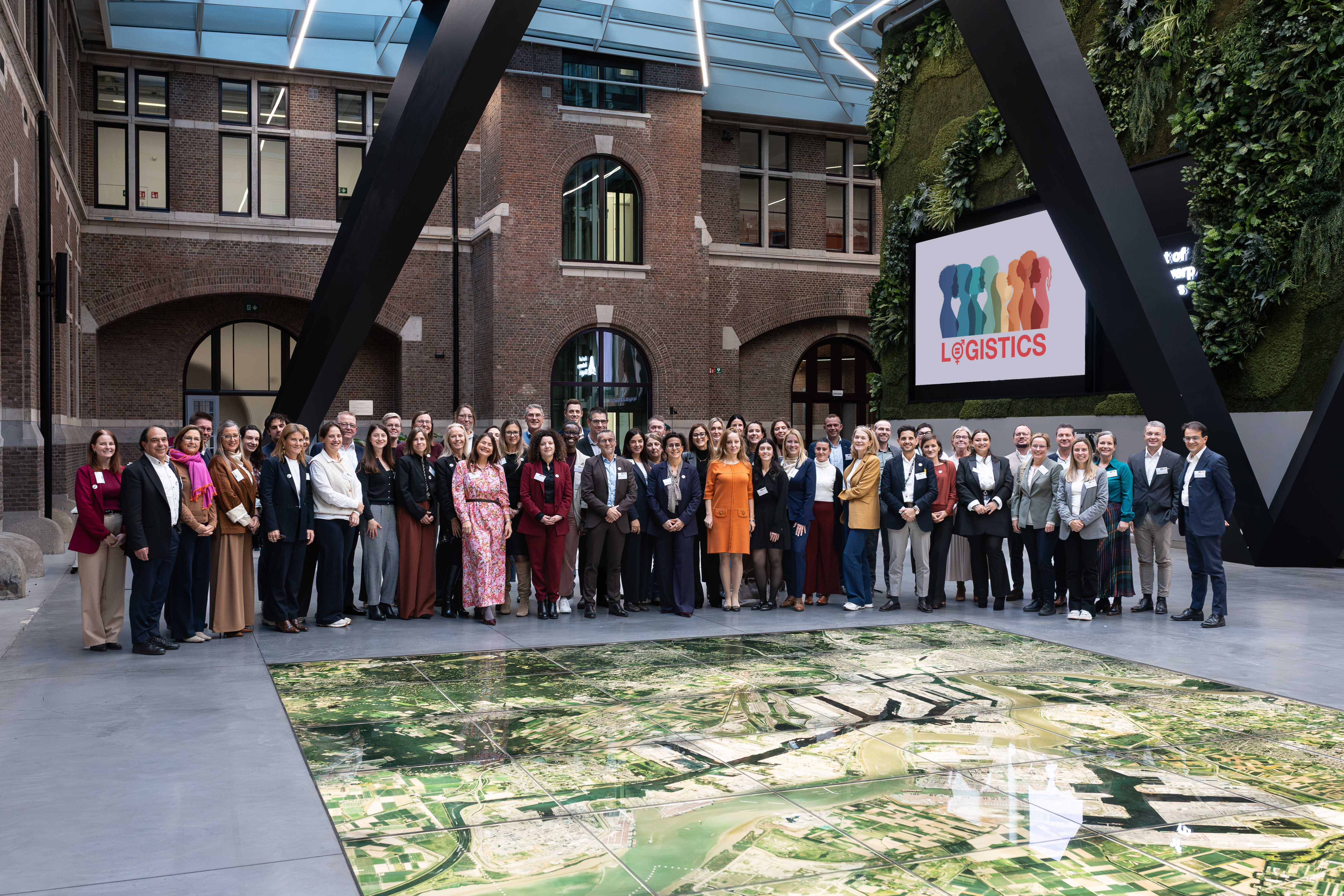
Her experience came up during a different conversation in Antwerp, where Bertschi hosted the Women in Logistics (WIL) annual event on 4 November. Across the day, speakers and participants looked at the everyday conditions that shape whether women can enter, stay and progress in logistics, from driver facilities to career support. The question that kept bringing the discussion back to action was simple: what could change on Monday morning?
Making the working day better
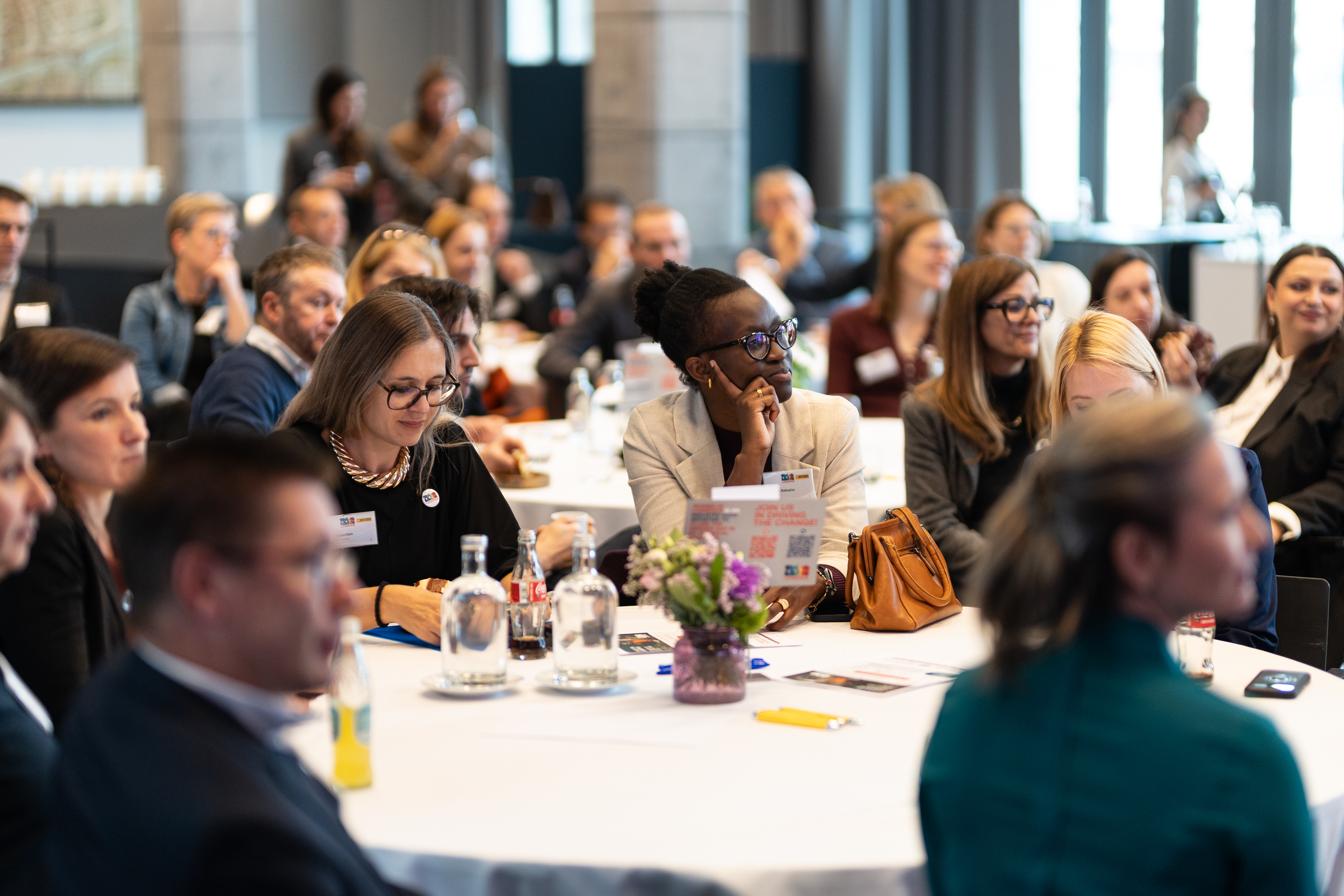
The event brought together WIL members and guests from across chemical producers, logistics service providers, and associations discuss Women in Logistics’ three focus areas of drivers, logistics operators, and leadership.
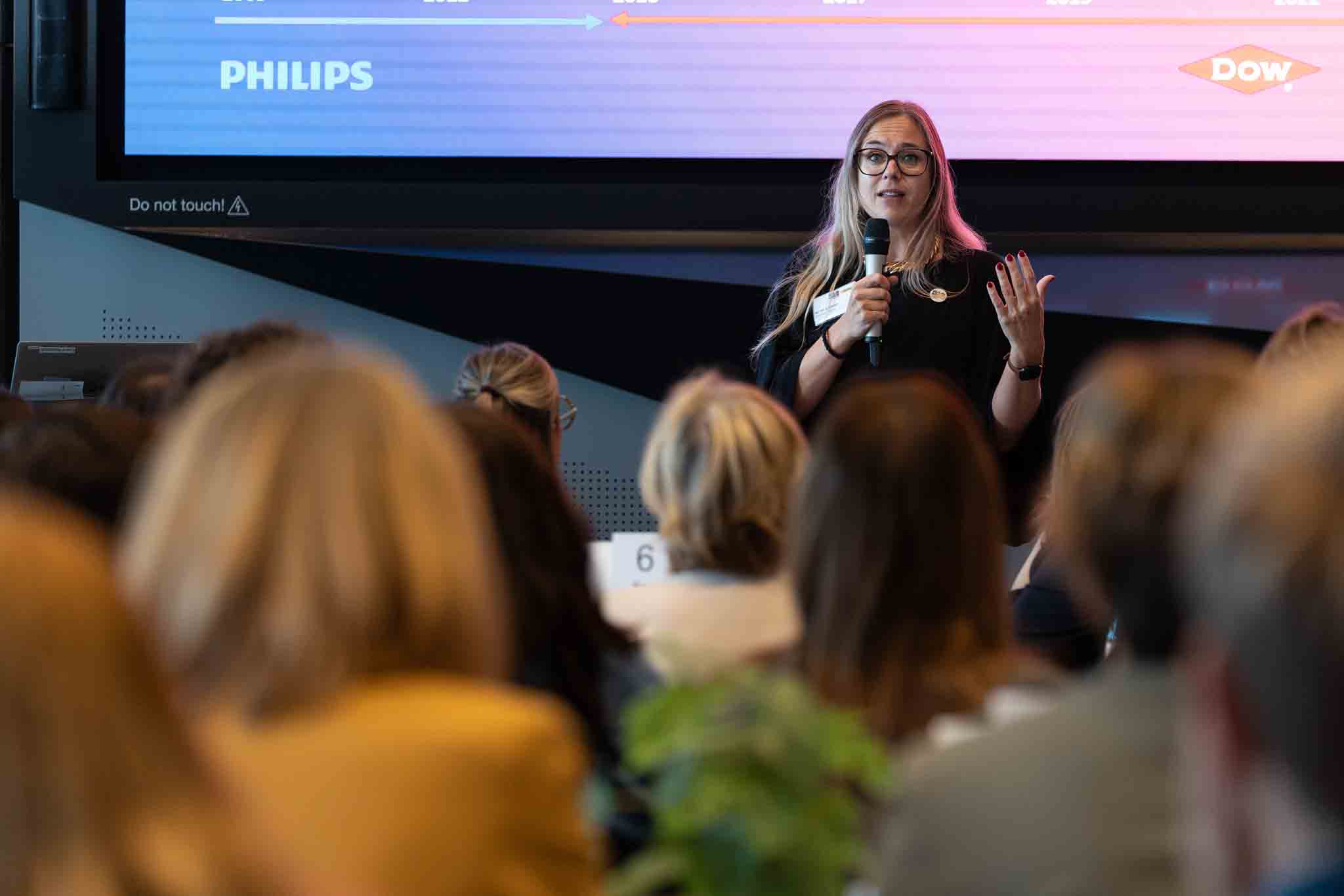
The keynote speaker, Raluca Marian of the International Road Transport Union, connected the need for more women in transport with a broader challenge of making the profession more attractive and sustainable for everyone. Recruitment matters, she said, but so do the conditions people encounter once they are on the job. This includes flexibility, safe parking, and ways to raise concerns.
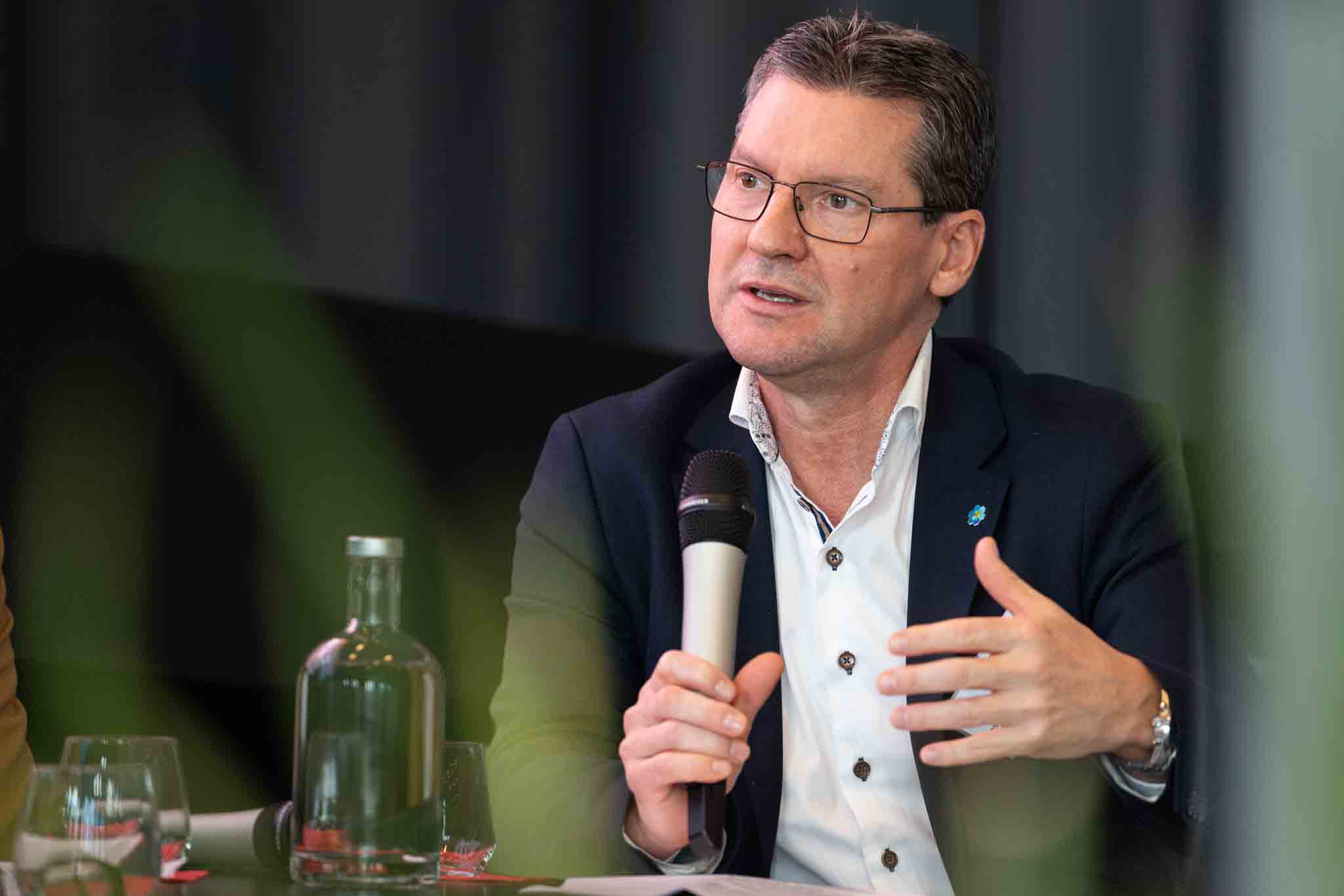
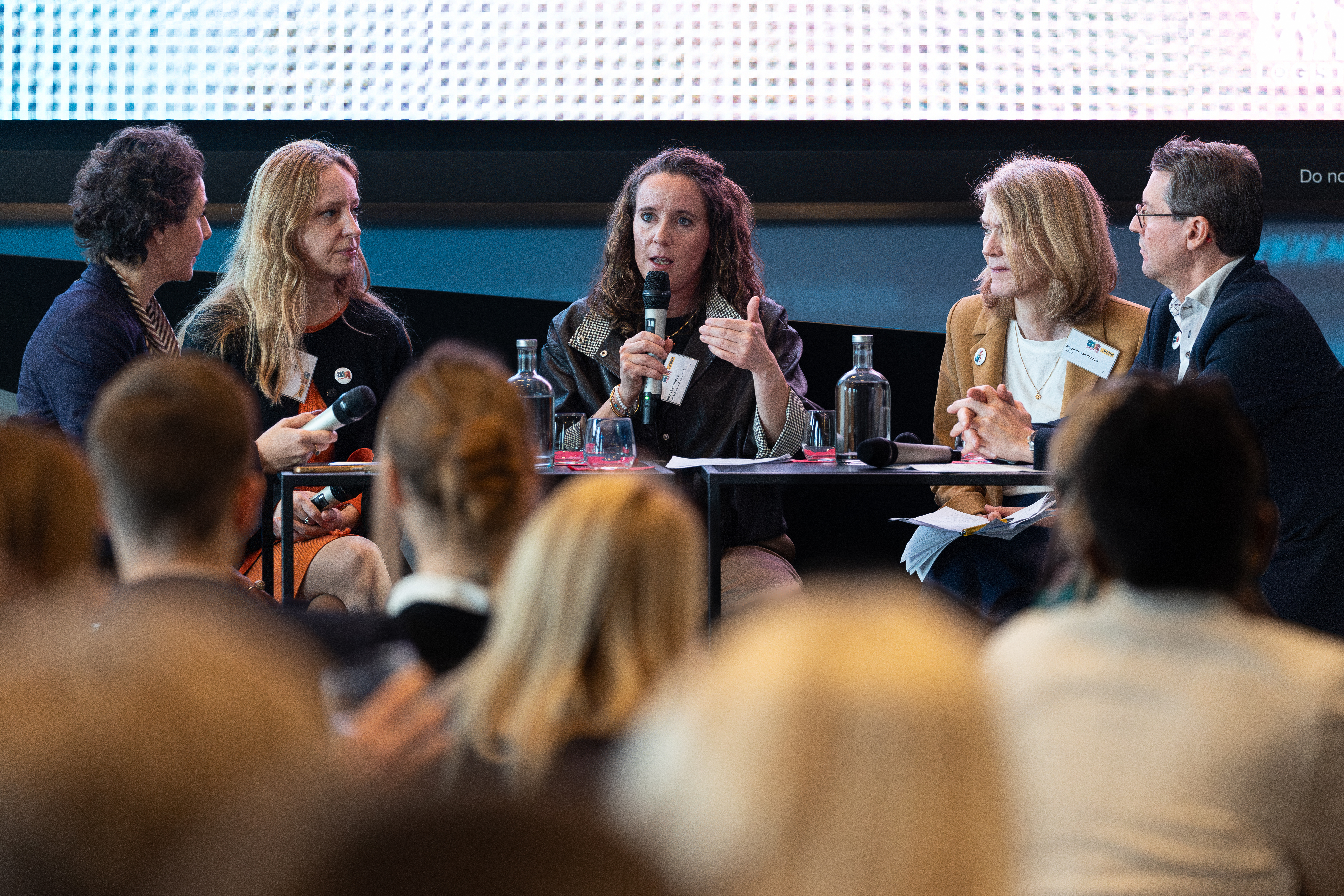
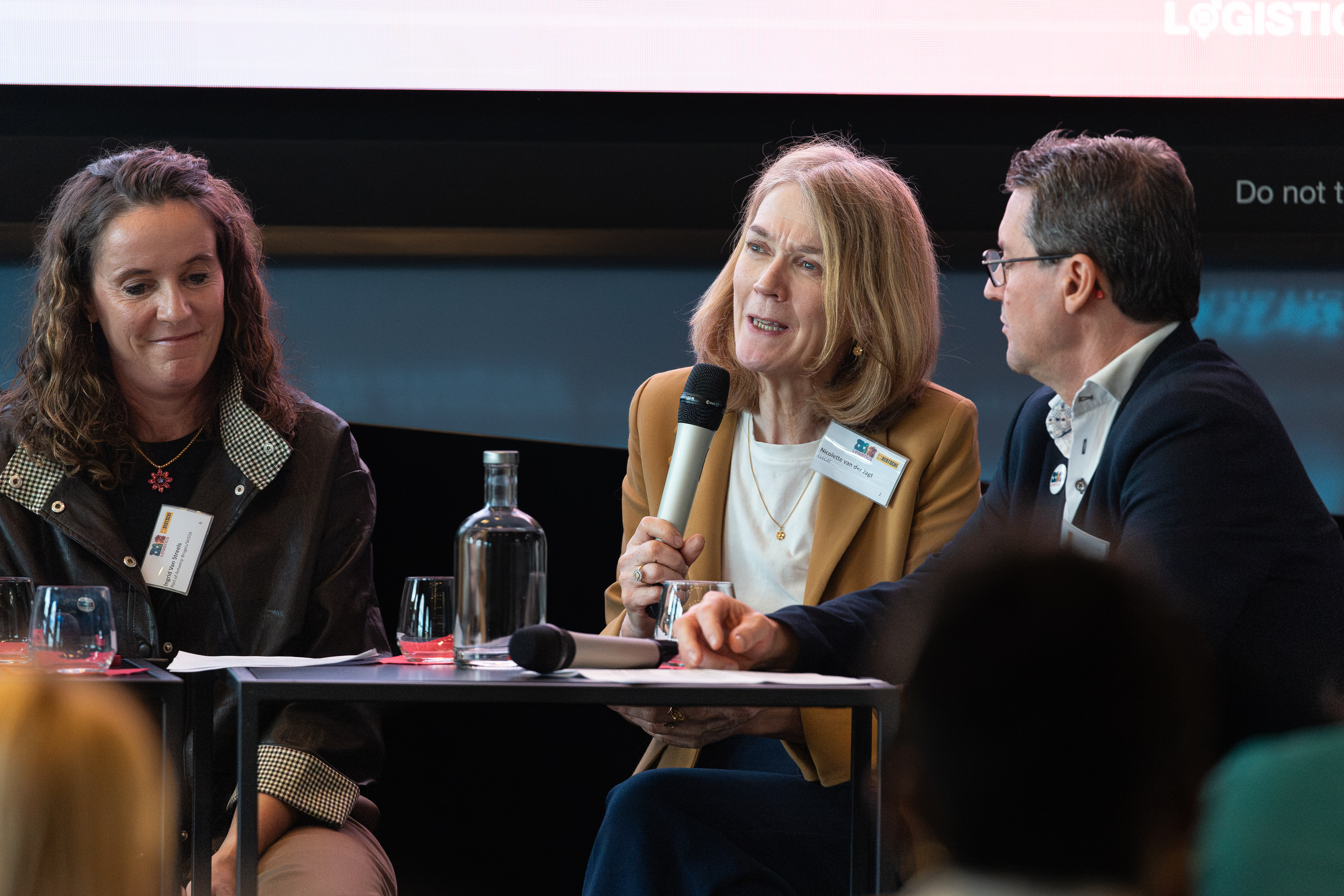
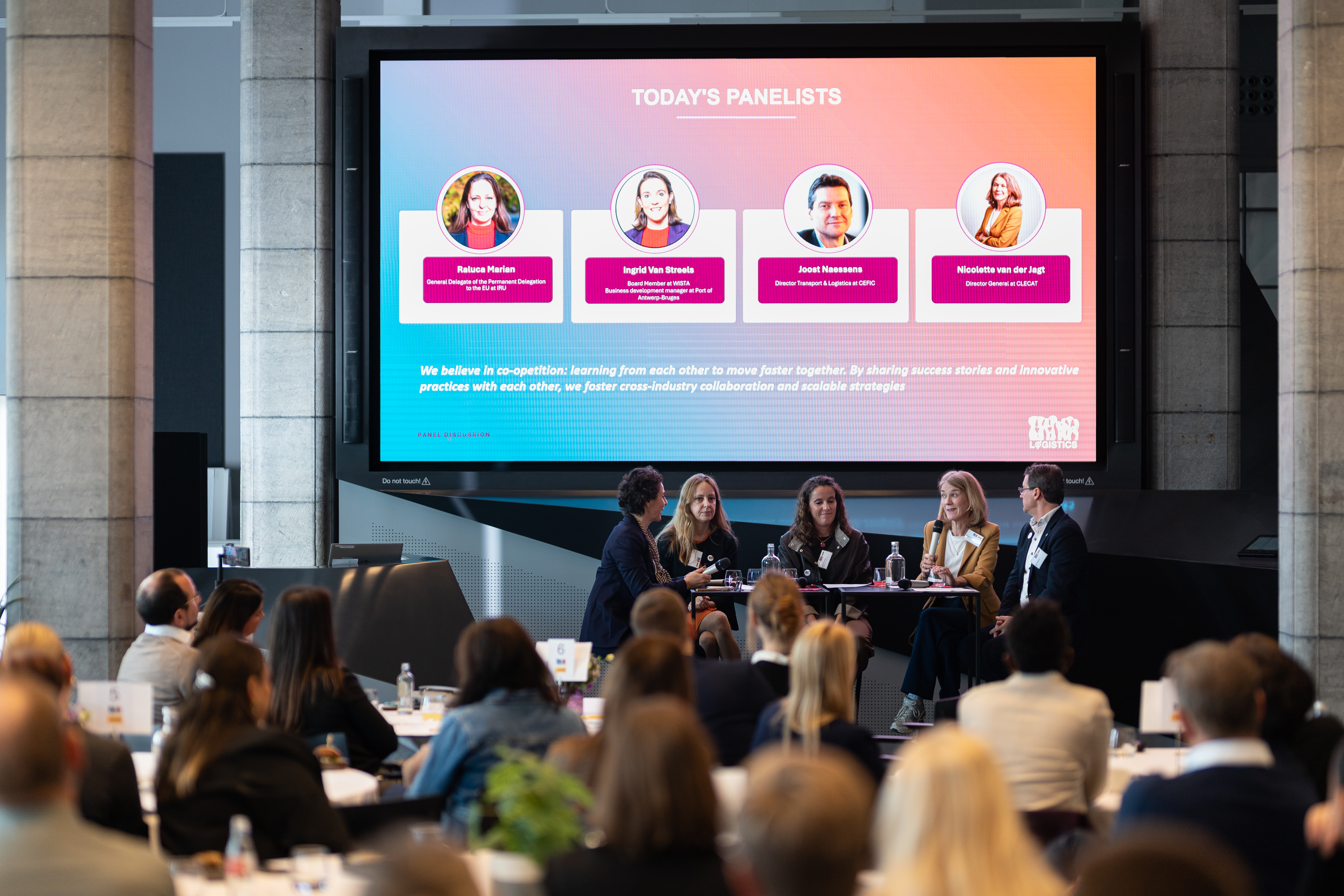
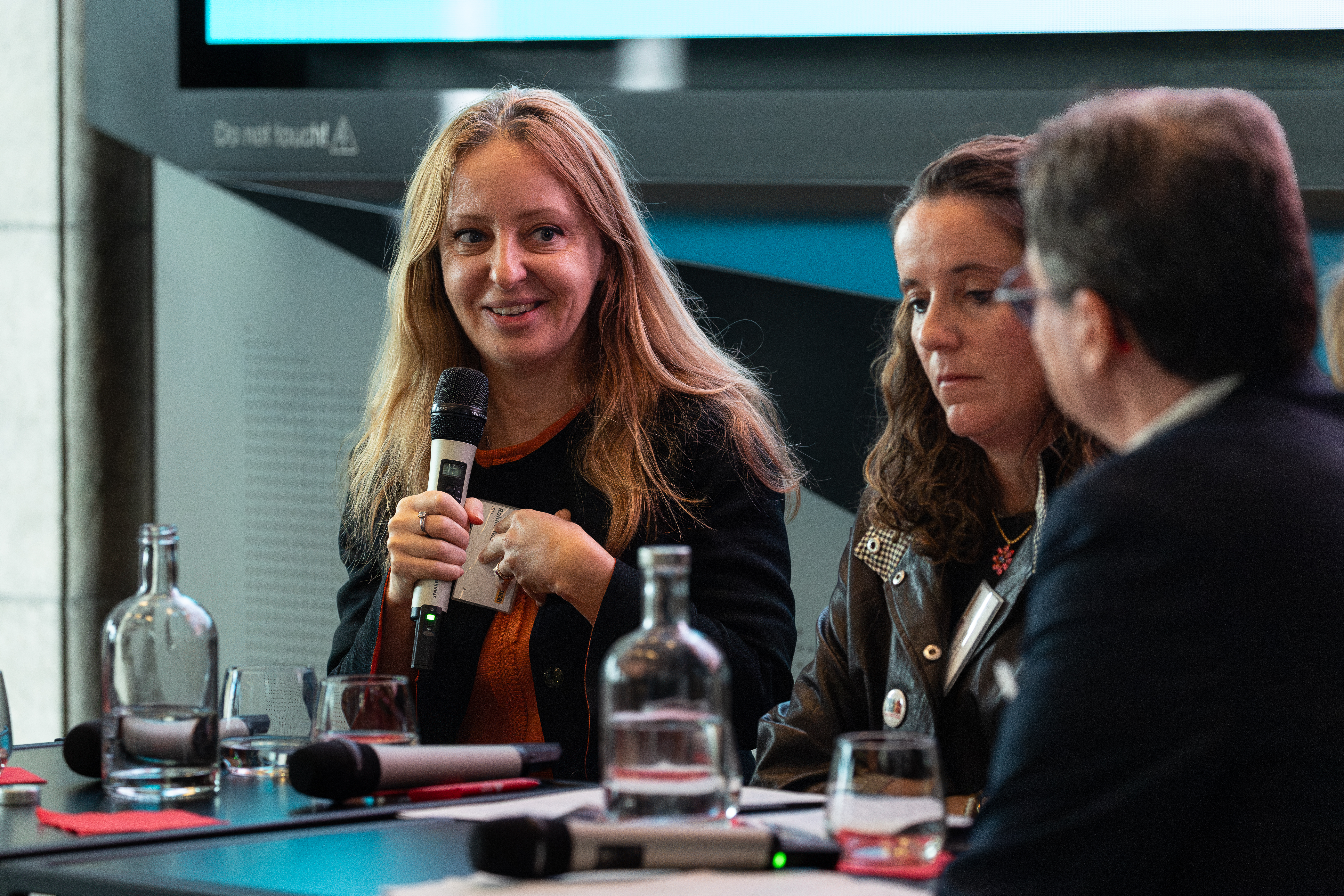
That point carried into the panel discussion, led by WIL Managing Director Ceylan Ünsal, which included representatives from IRU, WISTA, Cefic, and CLECAT. The conversation covered what drivers experience at sites, including waiting times, facilities, and communication. A question raised by Joost Naessens of Cefic invited participants to consider the full site visit from a driver’s perspective, from arrival to departure.
Ingrid Vanstreels of WISTA brought attention to the risk of assuming equal opportunities are already in place. The panel also considered how longstanding expectations can affect access to education and career progression, and the value of colleagues acting as role models and asking operators what would make it easier to welcome a driver.
The panel’s closing question, what could you do on Monday morning?, turned the discussion toward steps people could take immediately such as listening to drivers, checking on colleagues’ development and wellbeing, and making it easier for people to feel welcome at a site.
Seeing the whole employee journey
Bertschi’s Viviane Mirafuente shared examples connected to the idea of a “lifetime employer”, which included supporting people as their responsibilities and circumstances change, while providing opportunities to keep developing. Her examples touched on a young driver’s experience, a colleague taking on a leadership role, and a long-serving employee’s 46-year career at Bertschi.
Careers do not have to be straight lines
An Van Iwaarden of Dow shared a different perspective on career development. Her own path included moving from distribution engineering into commercial work, then into supply-chain improvement. She described these lateral moves as ways to build experience, rather than detours from progress. These moves helped her progress into senior management at Dow.
Her advice included being clear about what makes work and family life manageable, continuing to develop technical skills, and building relationships with mentors and sponsors. Careers, she said, do not always follow a straight climb.
The event also explored how people can support one another across company boundaries. Manfred Zulauf of Bertschi and Sandra Meyer of Hoyer shared their experience of WIL’s cross-company mentoring program. Their account showed mentoring as a mutual exchange where mentees gain perspective and confidence, while mentors learn from the conversations too.
Turning discussion into action
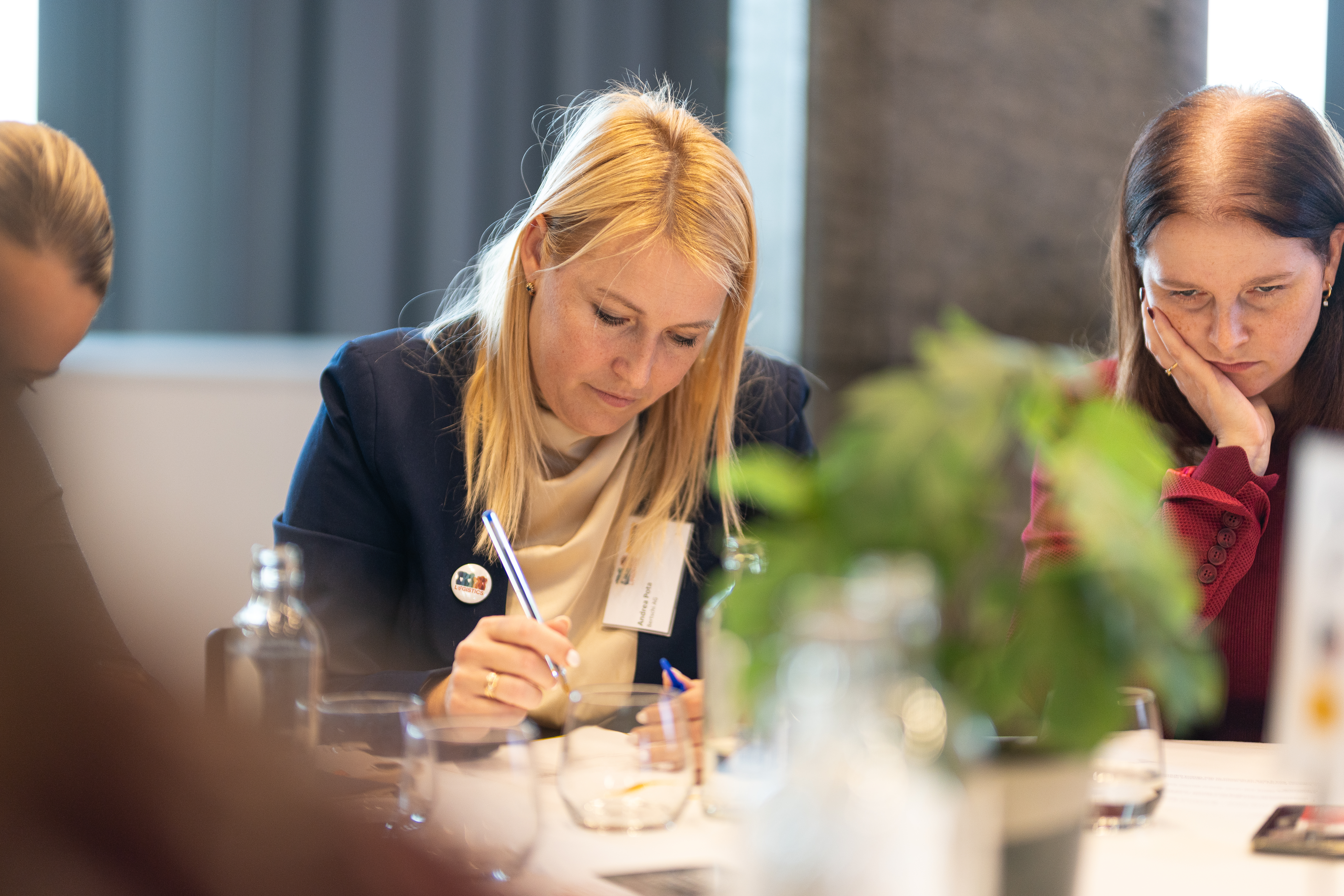
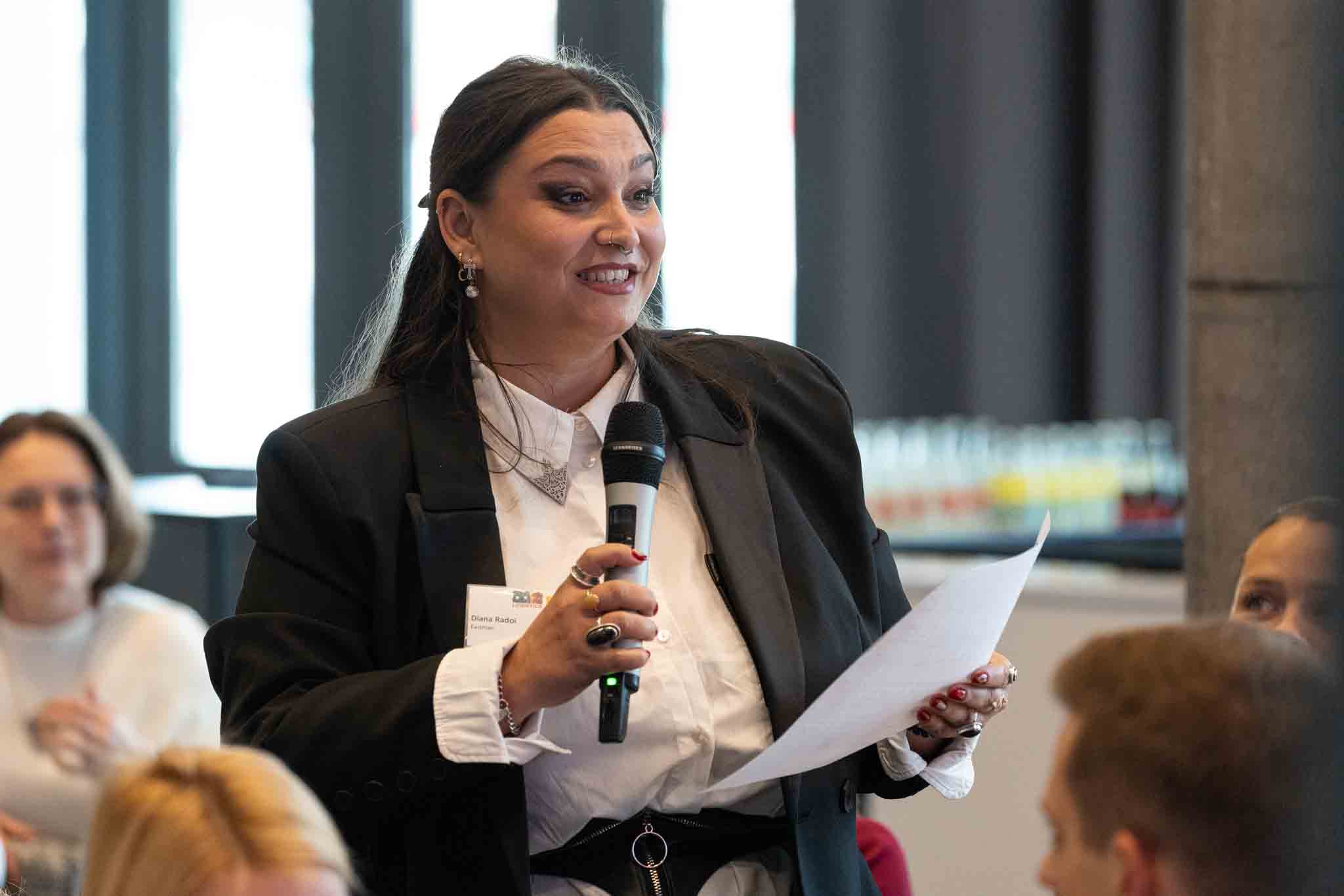
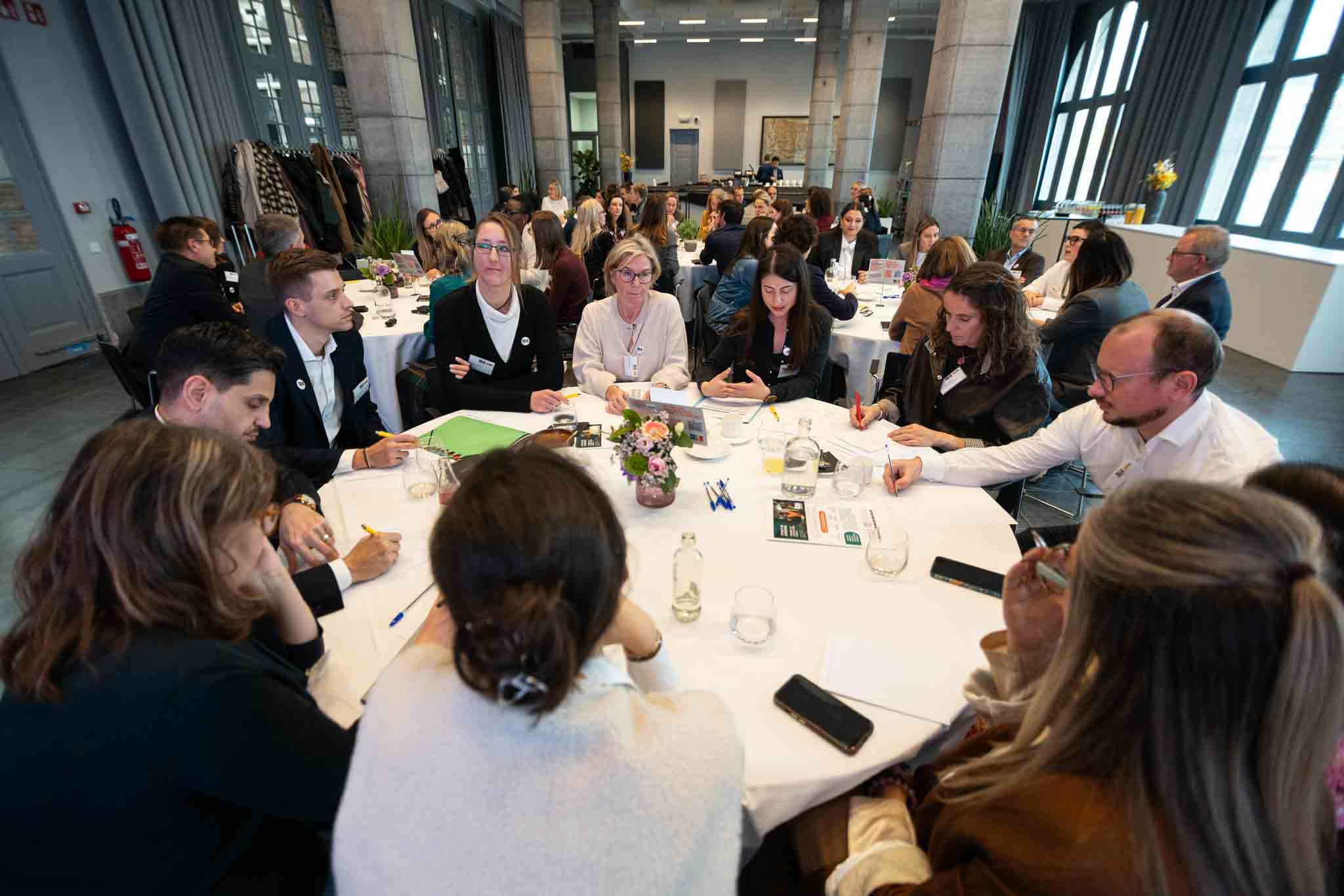
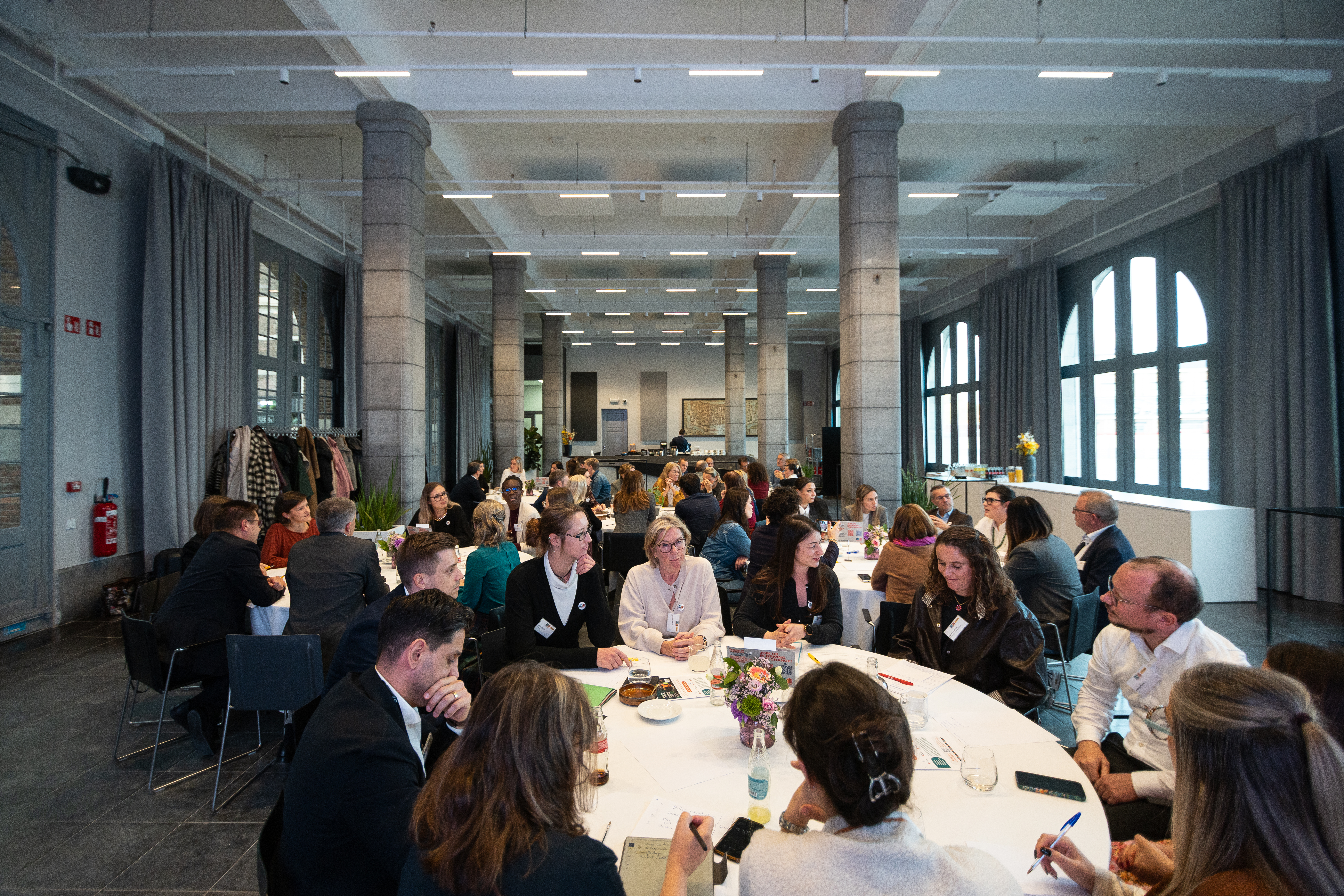
In the afternoon, six breakout groups worked through scenarios linked to WIL’s three focus areas, with two groups each considering drivers, operators and leadership. Participants discussed barriers people may face in different roles and situations, then considered ways employers and the wider industry could respond.
The day’s closing remarks brought the conversation back to the value of steady, practical progress. Bertschi’s Barry Mol reflected that small steps, taken together, can build momentum. Ceylan Ünsal encouraged participants to turn the day’s ideas into tangible actions and return to share what had changed.
For Bertschi, hosting the event was an opportunity to bring people across the chemical community together around shared challenges.
WIL brings chemical producers, logistics providers, and sector partners together to share experience and support action across the industry.